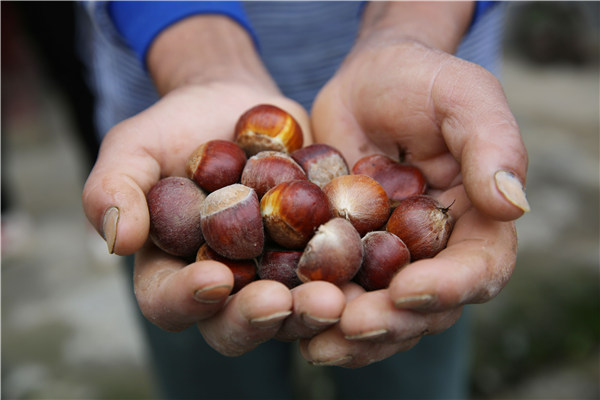
Roasted Chestnut
Introduction
Roasted chestnuts are a beloved snack and culinary delight, particularly enjoyed in the colder months. These nuts are prepared using various roasting techniques, allowing their natural sweetness and rich flavor to shine. Chestnuts, encased in their spiky burrs, fall to the ground when ripe and are collected for roasting or other culinary uses. They are commonly associated with cozy, wintry street corners where their aroma fills the air, inviting passersby to indulge in this seasonal treat. Roasted chestnuts have a firm place in cultural traditions and offer numerous culinary applications, from simple snacks to indispensable ingredients in complex dishes.
History
The history of roasted chestnuts dates back centuries, with their origins deeply rooted in Asia and Europe. In China, chestnuts have been a popular snack and culinary ingredient for thousands of years. They are often associated with autumn and winter, coinciding with their harvest season. Traditionally, chestnuts were roasted in large iron woks or drum roasters, techniques that have evolved with modern technology to include automated steel drums. In Europe, roasted chestnuts have also been a staple, particularly in Italy and France, where they are enjoyed during the holiday season. The method of roasting chestnuts over an open fire has become romanticized in popular culture, symbolizing warmth and togetherness during the festive months.
Preparation
Selection of Chestnuts
Selecting the right chestnuts is crucial for achieving the best roasting results. The ideal chestnuts should be firm, with smooth, glossy shells free from blemishes or mold. It's important to choose chestnuts that are heavy for their size, indicating freshness and a good moisture content.
Roasting Methods
Roasting chestnuts can be done in several ways, each imparting a unique flavor and texture to the nuts:
-
Traditional Iron Wok Roasting: This method involves roasting chestnuts in large iron woks with a mixture of sand and sugar. The sand helps to evenly distribute heat, while the sugar caramelizes, giving the chestnuts a sweet, glossy finish. Vendors often use this technique in outdoor markets, creating an engaging spectacle for onlookers.
-
Steel Drum Roasting: Modern street vendors often use automated steel drum roasters, which rotate to ensure even cooking. These machines simplify the process, allowing vendors to roast large batches of chestnuts with minimal effort.
-
Oven Roasting: For home cooks, oven roasting is a convenient and effective method. After scoring the shells to prevent bursting, the chestnuts are spread on a baking sheet and roasted at high temperatures until the shells curl away from the nut, revealing the tender, sweet flesh inside.
-
Open Fire Roasting: This traditional method involves roasting chestnuts over an open flame, often in a specially designed perforated pan. This technique infuses the chestnuts with a smoky flavor, enhancing their natural sweetness.
Cultural Significance
Roasted chestnuts hold significant cultural importance in many societies. In China, they are a quintessential winter snack, often associated with street vendors who herald the arrival of colder months with their aromatic offerings. These nuts are also an integral part of traditional Chinese medicine, believed to aid in digestion and boost circulation. In the West, roasted chestnuts are synonymous with the holiday season, often featured in Christmas markets and festivities. Their nostalgic charm is immortalized in songs and stories, making them a symbol of warmth and comfort during the winter.
Nutritional Information
Chestnuts are a nutritious food option, offering several health benefits. They are rich in carbohydrates, which provide a quick energy boost, and contain a significant amount of dietary fiber, aiding digestion. Unlike most nuts, chestnuts are low in fat and calories, making them a healthier alternative for those watching their diet. They are also a good source of vitamin C, potassium, and magnesium, contributing to overall health and well-being. These attributes make roasted chestnuts not only a delicious treat but also a beneficial addition to a balanced diet.
Popularity and Consumption
The popularity of roasted chestnuts spans across the globe, with each region embracing its unique customs and recipes. In China, roasted chestnuts are sold by street vendors, particularly in cities like Beijing and Tianjin, where locals and tourists alike enjoy them as a warm, comforting snack. In Europe, they are a staple at Christmas markets, where vendors roast them over open flames, filling the air with their sweet, nutty aroma. In the United States, roasted chestnuts are often associated with holiday gatherings and family traditions, enjoyed around a fireplace or alongside festive meals. Their global appeal is a testament to their delicious taste and comforting qualities.
Variations
Roasted chestnuts can be prepared and enjoyed in numerous ways, depending on regional preferences and culinary traditions. In China, they are sometimes coated in sugar or honey, adding a caramelized glaze that enhances their natural sweetness. In France, chestnuts are often pureed into a creamy spread known as "crème de marrons," used in pastries or eaten with bread. In Italy, roasted chestnuts are sometimes tossed with herbs and spices, adding a savory twist to this classic snack. These variations showcase the versatility of chestnuts, as they can be adapted to suit different flavors and culinary styles.
Commercial Production
Commercial production of chestnuts involves careful cultivation and harvesting to ensure high-quality nuts. In China, regions like Liangxiang and Huairou are renowned for their chestnut production, with farmers using traditional techniques to harvest and prepare the nuts for market. These chestnuts are often sold fresh, roasted, or vacuum-packed for convenience. In Europe and the United States, chestnut farms focus on sustainable practices, cultivating varieties that thrive in local climates. Commercial roasting operations utilize advanced equipment to produce large quantities of roasted chestnuts, meeting the demand during peak seasons.
Conclusion
Roasted chestnuts are a timeless and beloved treat, cherished for their sweet, nutty flavor and cultural significance. From the bustling streets of Beijing to the festive markets of Europe, these nuts bring warmth and comfort to those who enjoy them. Their versatility in preparation and consumption, along with their nutritional benefits, make them a cherished addition to any winter menu. Whether roasted over an open fire or enjoyed in a sweet dessert, chestnuts continue to capture the hearts and taste buds of people worldwide. As they warm both hands and hearts, roasted chestnuts remain a symbol of the joy and coziness of the colder months.








